Office, retail and mixed-use in one of the most capital-intensive markets in the hemisphere. The Miami headline is easy to sell; the income behind it is what you actually own. I read the rent roll and the tenancy before you read the brochure twice.
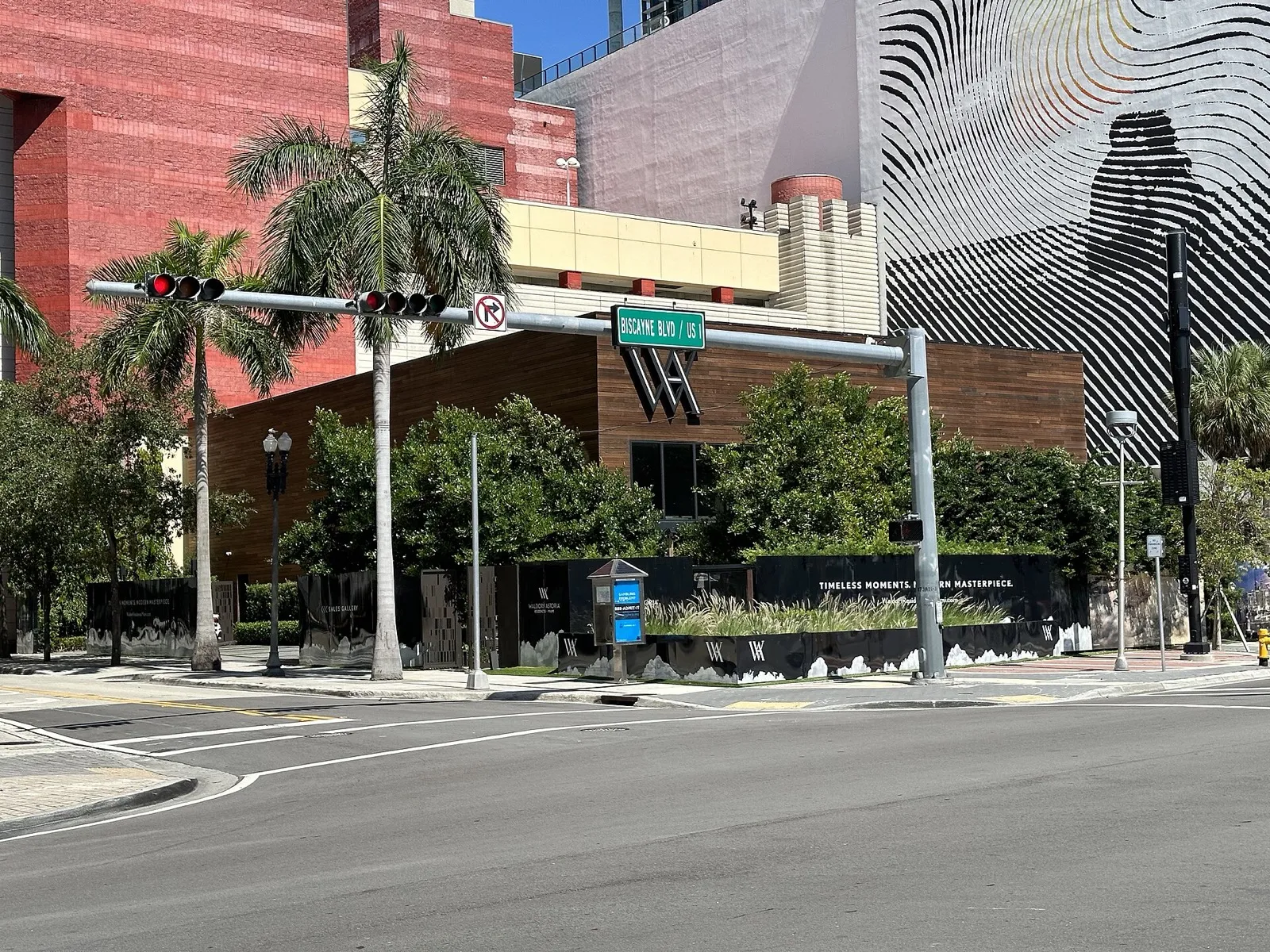
Commercial property in Miami is bought on a story and held on its income. The discipline that protects capital is separating the two — what the submarket promises from what the lease actually pays.
Miami has become a primary destination for institutional and private capital: a gateway for Latin American wealth, no state income tax, a deep service economy and a tenant base that keeps expanding into Brickell, Wynwood, the Design District and the urban core. That gravity is real, and it is exactly why pricing here runs ahead of fundamentals more often than in slower markets. A buyer pays a Miami premium on almost everything; the job is to know which premium is backed by durable income and which is backed by a narrative. The market rewards the buyer who underwrites the building they are actually purchasing, not the city they are buying into.
Across office, retail and mixed-use, the value is not the address — it is the income stream and its durability. Two Miami buildings at the same cap rate can be worth very different prices once you read the leases. The variables that move the number are the location and submarket, the tenancy and weighted lease term, the building's physical condition and deferred CapEx, the cap rate measured against replacement cost, the zoning and permitted use, and the financing available to you as the buyer.
Brickell, Wynwood, the Design District and Coral Gables each price and lease differently. The submarket sets the rent ceiling and the exit.
Who pays the rent, how creditworthy they are, and how many years remain. Weighted average lease term is the spine of the value.
Roof, envelope, elevators, HVAC and code compliance. Deferred maintenance is a price you pay after closing if you miss it now.
A low cap can still be cheap below replacement cost; a high cap can be expensive if the building is functionally obsolete.
Miami 21 sets what the property can legally be and become. Permitted use protects the income and the upside.
Loan terms, leverage and rate decide your levered return — and, for foreign buyers, the structure that makes the deal bankable.
Most commercial listings in Miami are represented by the seller. The broker on the sign works for the price, not for your basis. Independent, buyer-side advisory means someone reads the income, the tenancy and the title with your capital in mind — and tells you when to walk. For cross-border and family-office buyers, that discipline is the difference between owning Miami income and owning a Miami story. The full single-tenant net-lease thesis and how I work are on the NNN advisory page, and current market notes on the insights page.
Office, retail, mixed-use, industrial and single-tenant net-lease. Each underwrites differently — retail on traffic and tenancy, office on lease term and CapEx, net-lease on the corporate guaranty.
Yes. Foreign nationals can own U.S. commercial real estate, usually through a U.S. LLC for liability and tax planning. There is no residency or citizenship requirement.
It varies widely by asset and submarket — roughly mid-5% to high-7% depending on tenancy, lease term, condition and location. Prime, well-leased assets price tighter; value-add and shorter-term tenancy price wider.
Yes — foreign-national commercial financing is available, typically at lower leverage (often 50–65% LTV) and a larger down payment than for U.S. borrowers, through a U.S. entity.
Send me the OM and the rent roll. I'll tell you what the real cap is, where the risk sits in the tenancy, and whether it's worth pursuing — independent, buyer-side, no obligation.
Email carlos@balartre.com
Direct +1.786.603.3075
Office 1390 Brickell Ave, Suite 104 · Miami, FL 33131
Miami office, retail and mixed-use sit within a broader single-tenant NNN mandate. See the full thesis, tenant criteria and how I work.
NNN Commercial Advisory →